Transforming a residence into a modern, energy-efficient, and aesthetically pleasing haven requires more than just picking out new paint colors or upgrading a single appliance. True residential efficiency encompasses energy savings, streamlined project management, smart financial planning, and lasting property value. When homeowners approach updates with a strategic roadmap rather than a piecemeal mindset, they avoid costly mistakes, minimize living disruptions, and maximize their overall return on investment. Balancing structural changes with climate controls and exterior protection creates a cohesive environment tailored to your lifestyle. This comprehensive guide walks you through every major phase of whole-home modernization, from initial floor plan conceptualization to final building envelope enhancements, ensuring your investment yields comfort, beauty, and utility savings for decades to come.
Master Planning and Structural Vision
Architectural Blueprinting and Spatial Optimization
Before moving a single wall or breaking ground, successful updates demand a thorough evaluation of your existing floor plan and daily living habits. Designing a functional layout means analyzing traffic flow, natural light exposure, and how family members interact within shared environments.
- Assess Structural Constraints: Identify load-bearing walls, plumbing stacks, and electrical chases early to prevent expensive change orders later.
- Prioritize Multi-Functional Areas: Plan rooms that seamlessly transition between daily family activities, quiet work zones, and social entertaining.
- Integrate Sustainable Elements: Position open areas to capitalize on passive solar heating during colder months and cross-ventilation during warmer seasons.
Collaborating with a skilled custom home designer early in the process ensures your spatial vision aligns with structural integrity and regional building codes. A detailed blueprint acts as the foundational blueprint for all subsequent trades, eliminating guesswork and establishing realistic project timelines. Taking time to refine spatial flow on paper saves thousands of dollars in downstream adjustments while creating a home tailored precisely to your family’s daily rhythms.
Navigating Contractor Selection and Trade Logistics

Bringing a complex floor plan to life requires a unified team of licensed professionals capable of managing tight schedules and precise craftsmanship. Selecting the right partners requires careful vetting, transparent contract negotiations, and clear performance milestones.
- Verify Credentials: Confirm licensing, general liability insurance, active worker’s compensation coverage, and local municipality registrations.
- Examine Portfolio Depth: Review past completed work that mirrors your project’s scope, structural complexity, and aesthetic standards.
- Establish Clear Milestones: Link payment schedules directly to verifiable trade completion targets and municipal inspection approvals.
Partnering with vetted remodeling contractors ensures that structural alterations, trade schedules, and permit filings execute without friction. Experienced project leaders maintain order on the job site, manage subcontractor workflows, and resolve unexpected framing or plumbing discoveries swiftly. Open daily communication and structured progress check-ins keep large-scale projects running smoothly, protecting your financial investment while delivering exceptional finish quality.
Financing and Budgeting Your Project
Capital Allocation and Renovation Financing Options
Funding a comprehensive renovation requires an analytical review of your personal balance sheet and available lending instruments. Aligning project scope with the right financing model prevents cash flow strain and preserves liquidity for unexpected expenses.
- Home Equity Lines of Credit (HELOC): Flexible options offering variable interest rates and reusable credit lines suited for phased, multi-month updates.
- Cash-Out Refinancing: Replaces your existing mortgage with a larger loan, locking in fixed rates for substantial, single-phase overhauls.
- Personal Renovation Loans: Unsecured funding options ideal for targeted improvements when you prefer not to leverage home equity.
Securing competitive home loans allows homeowners to fund high-impact, energy-efficient improvements without depleting liquid emergency reserves. Establishing a dedicated project bank account simplifies tracking invoices, material purchases, and trade payments. Additionally, building a fifteen to twenty percent contingency budget into your overarching financial plan safeguards against hidden structural repairs, outdated wiring corrections, or material price fluctuations discovered during demolition.
Partnering with Neighborhood Renovation Specialists
Executing a high-ROI upgrade requires working alongside trade professionals who understand local housing stock, climate demands, and regional zoning laws. Local expertise often translates to faster permitting cycles and stronger relationships with municipal inspectors.
- Neighborhood Familiarity: Trades familiar with local architecture anticipate common structural flaws and historical code nuances.
- Established Material Suppliers: Established local operators maintain direct relationships with regional lumberyards and supply houses for faster material delivery.
- Community Accountability: Neighborhood-based professionals rely heavily on community reputation, encouraging higher standards of accountability and service.
Working with trusted local home remodelers provides peace of mind throughout complex residential updates. These regional specialists manage municipal permits efficiently, coordinate local inspections, and adjust project timelines around regional weather patterns. Their proximity to the site allows for rapid responses to design changes or job site queries, ensuring your project progresses cleanly from initial framing to final punch-list completion.
Optimizing Climate Control and Energy Systems
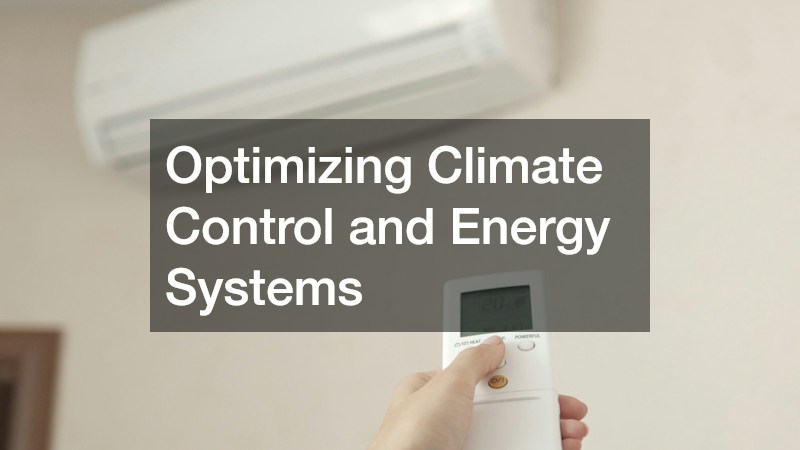
Whole-Home Heating and Cooling Load Evaluation
A fully modernized residence demands a balanced climate control strategy that maintains consistent indoor temperatures while minimizing monthly energy expenditure. Outdated systems often suffer from improper sizing, leaky ductwork, and degraded mechanical components. Implementing an integrated thermal management plan begins with assessing air distribution efficiency and evaluating system age relative to modern performance metrics. Upgrading outdated heating and cooling equipment ensures optimal indoor air quality, reduces strain on electrical components, and stabilizes utility costs throughout severe seasonal temperature spikes. Investing in professional diagnostics, smart thermostat integrations, and targeted zone controls optimizes airflow distribution across every room, creating a seamless, long-term environmental balance for your entire living space.
- Perform Load Calculations: Conduct Manual J load calculations to determine exact heating and cooling output needed based on square footage and insulation values.
- Inspect Duct Networks: Seal leaks, insulate unconditioned attic runs, and clear obstructions to optimize airflow distribution across every zone.
- Evaluate System Age: Identify aging components approaching the end of their operational lifespan to plan proactive replacements before total failure.
Scheduling comprehensive HVAC services ensures your equipment operates at peak efficiency year-round. Technical diagnostics reveal hidden airflow restrictions, refrigerant imbalances, and electrical wear that degrade system performance. Investing in modern, high-efficiency mechanical systems dramatically reduces carbon footprints while delivering steady, whisper-quiet indoor air distribution across every room in your home.
Upgrading Summer Cooling Infrastructure
Summertime heatwaves place immense stress on aging air conditioning equipment, leading to elevated electric bills and uneven room temperatures. Upgrading your cooling infrastructure ensures crisp, efficient indoor air when external temperatures surge. Modernizing aging cooling systems requires addressing mechanical bottlenecks, optimizing airflow pathways, and selecting high-efficiency equipment calibrated to your home’s unique layout. Advanced cooling technology mitigates thermal spikes, lowers peak power draw, and minimizes wear on internal compressors during heavy usage. Integrating targeted temperature zoning alongside smart thermostat controls further enhances energy management, delivering precise comfort to active living areas without wasting electricity on unoccupied spaces. A proactive upgrade prevents sudden breakdowns, maintains steady humidity levels, and delivers dependable indoor relief when outdoor heat reaches seasonal highs.
- Assess SEER2 Ratings: Transition to modern cooling units boasting high Seasonal Energy Efficiency Ratio ratings to cut power consumption.
- Implement Smart Zoning: Install motorized duct dampers and multi-stage condensers to cool only the rooms currently in active use.
- Optimize Thermostat Settings: Pair cooling hardware with programmable smart thermostats for automated temperature setbacks while away.
Consulting with established local ac companies allows you to select appropriately sized cooling units calibrated for your specific regional humidity levels and heat loads. Professional technicians evaluate your home’s electrical panel capacity, line set condition, and outdoor placement options to guarantee smooth installation. High-efficiency cooling upgrades immediately improve indoor air filtration, control humidity, and stabilize electrical consumption during peak summer billing cycles.
Vetting Certified Air Conditioning Installers
The overall performance, reliability, and longevity of new cooling equipment depend heavily on the precision of its initial mechanical installation. Improper charging, poor line sizing, or sloppy electrical connections lead to premature equipment failure.
- Verify Technician Certifications: Ensure installation teams hold NATE (North American Technician Excellence) and EPA Section 608 certifications.
- Demand Written Estimates: Secure detailed proposals outlining equipment model numbers, labor warranties, permit fees, and installation scopes.
- Review Warranty Coverage: Confirm both manufacturer parts warranties and installer labor guarantees to protect against premature component failures.
Hiring certified air conditioning contractors guarantees your new equipment operates strictly according to manufacturer design specifications. Experienced installers pull necessary mechanical permits, execute precise line brazing, and perform thorough system vacuums to eliminate system contamination. Their attention to detail during physical setup protects your investment, maintains factory warranty validity, and maximizes seasonal energy efficiency ratings from day one.
Establishing Long-Term Mechanical System Care
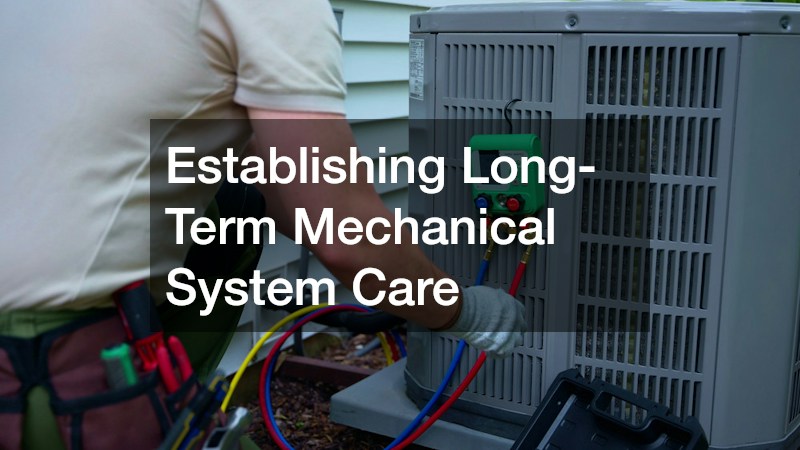
Maintaining continuous climate comfort requires moving past reactive repairs and adopting a structured preventive maintenance routine. Routine mechanical check-ups prevent sudden breakdowns, extend equipment operational life, and maintain peak energy performance.
- Semi-Annual Inspections: Schedule spring cooling tune-ups and autumn heating check-ups to verify mechanical integrity before extreme seasons arrive.
- Filter Replacement Schedules: Change high-efficiency MERV filters every one to three months to maintain clean airflow and protect internal coils.
- Coil and Drain Maintenance: Clean outdoor condenser fins and flush condensate drain lines to prevent moisture backups and system freeze-ups.
Partnering with a reliable local hvac company provides routine maintenance plans, priority emergency scheduling, and discounted repair rates. Dedicated service plans ensure factory-trained technicians systematically clean blower assemblies, test safety controls, and monitor system pressures. Consistent care keeps operational costs low, extends system lifespan by years, and guarantees year-round indoor air quality for your household.
Enhancing the Building Envelope

Exterior Wall Protection and Insulation Systems
Your home’s exterior cladding represents the first line of defense against severe weather, moisture penetration, and thermal energy transfer. Upgrading exterior wall systems significantly enhances curb appeal while creating a continuous thermal barrier.
- Continuous Exterior Insulation: Apply rigid foam sheathing under new cladding to eliminate thermal bridging through wooden wall studs.
- Weather-Resistive Barriers: Install advanced house wrap materials that block bulk water intrusion while allowing interior vapor to escape safely.
- Durable Cladding Options: Select low-maintenance materials like fiber cement, engineered wood, or high-grade vinyl that resist fading and rot.
Hiring a professional home siding company guarantees that exterior insulation, moisture wraps, and flashing systems install flawlessly around doors and windows. Correct installation prevents hidden moisture buildup, structural framing decay, and insect infestations. Modern exterior cladding systems eliminate the need for frequent painting, lower exterior maintenance chores, and significantly boost your home’s architectural presence.
Advanced Window Film and Solar Heat Control
Windows offer beautiful natural light and outdoors connections, but unprotected glass serves as a major source of solar heat gain, harsh glare, and UV damage to interior furnishings. Unfiltered sunlight accelerates the fading of hardwood flooring, custom upholstery, and valuable artwork while continuously taxing your cooling equipment. Applying modern solar control films addresses these vulnerabilities by filtering out harsh infrared and ultraviolet wavelengths while maintaining crisp architectural transparency. This envelope enhancement reduces internal temperature fluctuations, eliminates annoying screen glare in living spaces, and reinforces glass surfaces against impact. Upgrading your windows enhances daily indoor comfort, preserves interior finishes, and delivers immediate thermal control without requiring costly structural glass replacements.
-
- Solar Heat Rejection: Modern spectrally selective window films block infrared heat rays without reducing visible indoor natural light levels.
- UV Ray Protection: Advanced window treatments filter out over ninety-nine percent of destructive ultraviolet radiation, preventing fabric and floor fading.
- Enhanced Privacy and Safety: Tinted film layers increase daytime window privacy while adding structural shatter resistance against accidental impacts.
Investing in professional home window tinting provides an immediate reduction in peak summer cooling demands without replacing existing glass units. Window films balance internal room temperatures, eliminate hot spots near south-facing glass, and reduce glare on television and computer screens. This cost-effective exterior envelope upgrade delivers rapid energy paybacks while enhancing daily visual comfort throughout your living quarters. Upgrading your home efficiently requires a balanced approach that combines long-term planning, expert craftsmanship, modern climate technology, and protective building envelope enhancements. By addressing architectural flow, structural changes, and energy management as interconnected systems rather than isolated tasks, homeowners create living spaces that are beautiful, comfortable, durable, and highly economic to run. Investing in quality materials, certified installation professionals, and sustainable technology ensures your property retains high market equity while delivering daily enjoyment. Take time to evaluate your home’s current needs, prioritize high-impact projects, and build a dedicated team of trusted trade partners. With a clear vision and structured execution strategy, your whole-home upgrade will deliver exceptional lifestyle rewards and utility savings for decades to come.