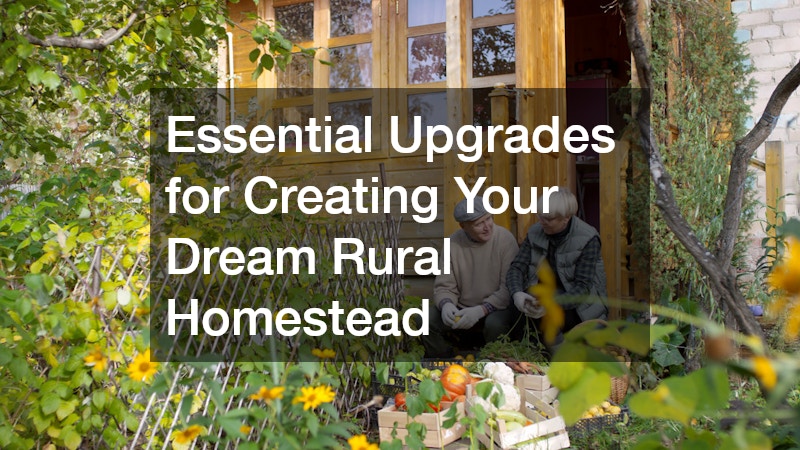
Creating a stunning garden and lawn requires knowledge, patience, and a touch of creativity. While the prospect can seem daunting at first, the rewards of cultivating your outdoor space are well worth the effort. This guide will provide you with actionable tips to transform your lawn and garden, ensuring they remain lush and inviting throughout the seasons.
Understanding the Basics
Diving into the realm of gardening begins with understanding the very basics of plant care and lawn maintenance. Knowing your soil type—whether it’s sandy, clay-heavy, or loamy—and your local climate conditions can help you select plants that will naturally thrive. Taking time to observe sunlight patterns, drainage, and seasonal temperature shifts also plays a key role in successful planting. Starting small with easy-care plants like herbs or hardy perennials allows you to build confidence while learning essential skills.
Lawn care involves regular mowing, watering, and fertilizing to maintain a healthy, green carpet. Establishing a consistent routine helps prevent common issues such as patchiness or weed overgrowth. Soil health is paramount; performing a soil test annually helps identify nutrient deficiencies or imbalances. Once identified, these can be corrected with targeted fertilizers or organic amendments, ensuring your lawn remains vibrant, resilient, and less prone to disease.
A well-maintained garden center can become your go-to resource for all things gardening, providing expert advice and quality products. Staff can guide you in selecting the right seeds, sod, fertilizers, and tools based on your specific needs. Building a relationship with a local garden center also gives you access to seasonal tips, pest alerts, and region-specific recommendations, helping you make informed decisions throughout the year.
Mastering Sod Installation

Sod installation services are a popular choice for homeowners who want an instant lawn transformation. Unlike seeding, sod provides immediate coverage and reduces the time needed to establish a lush, green yard. This makes it especially useful for new homes or areas where erosion control is important.
Preparing the site before installation is a crucial step that directly impacts success. This process includes removing weeds, rocks, and debris, then loosening and enriching the soil with compost or nutrients. Proper grading and leveling ensure even placement, preventing water pooling and uneven growth. Once the sod is laid, consistent and thorough watering is essential during the first few weeks to encourage strong root development.
After the sod has taken root, ongoing care ensures long-term success. Gradually transition to deeper, less frequent watering to promote deeper roots. Mowing should be done carefully, removing no more than one-third of the grass height at a time. Combined with seasonal fertilization and aeration, these practices help create a dense, durable lawn that can withstand foot traffic and changing weather conditions.
Exploring Tree Services
Trees are a cornerstone of any landscape, providing shade, visual interest, and environmental benefits such as improved air quality. However, maintaining healthy trees requires regular attention and expertise. Partnering with a local tree service providers ensures your trees receive proper care throughout their lifespan.
Pruning is one of the most important aspects of tree maintenance. Removing dead, damaged, or overcrowded branches improves the structure and encourages healthy growth. It also allows more sunlight and air to reach the tree’s interior, reducing the risk of disease. Professional arborists understand the correct timing and techniques for pruning, ensuring the tree’s health is never compromised.
Tree care also includes monitoring soil conditions, applying nutrients, and addressing pest or disease issues early. Services such as mulching help retain moisture and regulate soil temperature, while inspections can identify structural concerns before they become hazardous. With consistent care, trees can thrive for decades, adding long-term beauty and value to your garden.
Utilizing Stone and Lumber

Incorporating stone elements into your garden adds both structure and visual appeal. Stones can be used to create pathways, retaining walls, borders, or decorative features like rock gardens. With a wide variety of textures, colors, and sizes available, stone allows for creative customization that complements your landscape’s overall style. Ideas and services to incorporate such features can be found at your local stone supply store.
Lumber offers a contrasting warmth and versatility that enhances outdoor spaces. When selecting lumber, it’s important to choose durable, weather-resistant options such as cedar or treated wood. Lumber can be used to build raised garden beds, seating areas, pergolas, or decks, creating functional spaces that encourage relaxation and enjoyment. Various stores and services additionally have lumber for sale, making for an easy pairing.
Combining stone and lumber creates a balanced design that blends natural elements with practical features. Both materials are relatively low-maintenance and long-lasting when properly installed. Strategic use of these elements can define different zones within your garden, improving both organization and visual flow.
Creating Water Features
Water features, such as fountains or small ponds, introduce a sense of calm and movement to your garden. The soothing sound of flowing water creates a relaxing atmosphere, making your outdoor space more inviting. These features can also attract birds and beneficial wildlife, enhancing the overall ecosystem.
Designing a water feature requires careful planning to ensure it fits seamlessly into your landscape. Consider the size of your garden and choose a feature that complements rather than overwhelms the space. Placement is key—position it where it can be easily seen and enjoyed, such as near seating areas or entry points.
Proper fountain design and installation ensure efficient water circulation and reduce maintenance needs. Once in place, regular upkeep—such as cleaning filters, checking pumps, and managing algae—keeps the feature functioning properly. A well-maintained water feature not only serves as a focal point but also elevates the sensory experience of your garden, combining visual beauty with calming sound.
Embracing Sustainable Practices
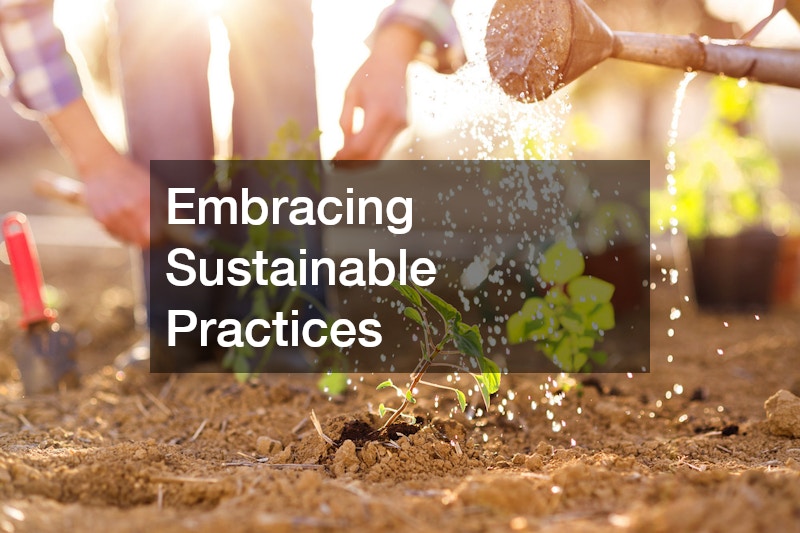
Sustainable gardening practices are becoming increasingly important in preserving natural resources and supporting healthy local ecosystems. These methods focus on working with nature rather than against it, ensuring that your garden remains productive while reducing environmental impact. This includes using organic or slow-release fertilizers, avoiding harsh chemicals, planting native species, and minimizing water usage through smart irrigation systems such as drip lines or timed sprinklers. Emphasizing sustainability not only benefits the environment but also creates a more resilient and self-sustaining garden over time.
Integrating mulch is one of the simplest yet most effective sustainable techniques. Mulch helps retain soil moisture, regulate temperature, and suppress weed growth, significantly reducing the need for frequent watering and chemical herbicides. Native plants are another key component, as they are naturally adapted to local soil and climate conditions, requiring less maintenance and fewer resources to thrive. Additionally, designing your garden with pollinator-friendly plants encourages bees, butterflies, and other beneficial insects, which play a crucial role in maintaining plant health and biodiversity.
Over time, these sustainable practices create a garden that becomes more self-sufficient and less dependent on external inputs. They also improve soil structure, increase water retention, and reduce long-term maintenance costs. By adopting eco-friendly gardening methods, you contribute to environmental preservation while enjoying a healthier, more balanced outdoor space. Many modern garden centers now actively promote these practices, offering organic products and native plant selections to support sustainable growth.
Paving and Pathways
Paving plays an essential role in shaping both the functionality and appearance of a garden. Well-designed pathways and patios provide structure, guiding movement while protecting grass and plant beds from unnecessary wear. Working with a professional paving company ensures that materials are properly installed and that the finished result is both durable and visually appealing. Options such as natural stone, brick, gravel, or concrete allow homeowners to customize their garden’s style, from rustic charm to modern minimalism.
Carefully planned pathways improve navigation and enhance the overall layout of the garden. They help define distinct zones such as flower beds, seating areas, and vegetable plots, creating a sense of order and flow. Pathways also encourage exploration, leading visitors through focal points and carefully designed views. In larger gardens, paving can also help manage drainage and prevent muddy or uneven surfaces during wet conditions.
Beyond functionality, paving adds significant aesthetic value. Decorative edging, patterned layouts, and contrasting materials can elevate even simple garden designs. Regular maintenance, including cleaning, sealing, and weed control between joints, ensures long-lasting beauty and durability. With proper planning and care, paved areas become a seamless extension of the landscape, blending practicality with visual elegance.
Adding Fences and Privacy

Fencing serves multiple roles in a garden, offering privacy, security, structure, and aesthetic enhancement. It defines property boundaries while also contributing to the overall design language of the outdoor space. Working with experienced fence builders ensures that the installation is both structurally sound and visually aligned with your landscape goals. From classic wooden fences to sleek modern metal or vinyl designs, there are options to suit every style and budget.
When choosing fencing materials, it’s important to consider durability, maintenance requirements, and climate conditions. Wooden fences offer natural warmth and can be customized with paint or stain, while vinyl and metal options provide long-lasting, low-maintenance alternatives. Fencing can also serve practical purposes such as blocking wind, reducing noise, or providing shade in certain areas of the garden.
A well-designed fence can also become a living feature of the landscape. Climbing plants like ivy, roses, or jasmine can transform a simple structure into a green, textured backdrop. Integrated design elements such as lattice panels, decorative caps, or built-in planters further enhance visual appeal. Ultimately, fencing helps create a private, peaceful outdoor environment that feels secure, comfortable, and beautifully cohesive.
Renting Gardening Equipment
For many homeowners, investing in expensive gardening equipment is not always practical, especially for occasional or seasonal tasks. Equipment rentals provide a flexible and cost-effective solution, giving access to high-quality tools without the burden of ownership. This is particularly useful for large-scale projects such as soil preparation, lawn renovation, or tree maintenance.
Rental services typically offer a wide range of equipment, including tillers, aerators, hedge trimmers, leaf blowers, and stump grinders. Choosing the right tool for the job is essential for efficiency and safety, and rental professionals can often provide guidance on selecting and operating equipment correctly. Many services also ensure that tools are regularly maintained and in good working condition, reducing the risk of breakdowns during use.
Using rented equipment allows homeowners to complete demanding tasks more efficiently and with better results. It also provides the opportunity to experiment with different tools and techniques before committing to a purchase. For larger landscaping projects, rentals can significantly reduce both time and labor costs, making advanced gardening tasks more accessible and manageable for everyone.
Caring for All-Season Beauty
Maintaining a beautiful garden throughout the year requires thoughtful planning and adaptation to seasonal changes. A well-designed landscape includes a variety of plants that provide interest in every season, such as spring bloomers, summer perennials, autumn foliage, and winter evergreens. This diversity ensures that the garden remains visually appealing no matter the time of year.
Seasonal maintenance is essential for keeping plants healthy and resilient. In colder months, tasks such as pruning, mulching, and winter protection help safeguard plants from frost damage. During warmer months, regular watering, deadheading, and fertilizing support active growth and flowering. Monitoring plant health throughout the year allows for early detection of pests or diseases, preventing long-term damage.
In addition to visual appeal, seasonal care strengthens the overall ecosystem of the garden. Plants that are well-suited to their environment require less intervention and adapt more easily to changing weather conditions. This approach not only reduces maintenance efforts but also creates a more balanced and sustainable outdoor space. Over time, a well-maintained, all-season garden becomes a living environment that evolves naturally and provides enjoyment throughout the year.
Creating and maintaining a beautiful garden and lawn is both an art and a science, requiring dedication, creativity, and a strategic approach. By integrating professional insights and techniques, you can cultivate a lush and inviting outdoor space that reflects your personal style. As you implement the tips from this guide, may your garden flourish, serving as both a sanctuary and a testament to your efforts.
Creating and maintaining a beautiful garden and lawn is both an art and a science, requiring dedication, creativity, and a strategic approach. By integrating professional insights and proven techniques, you can cultivate a lush, inviting outdoor space that not only reflects your personal style but also works in harmony with your local environment. Over time, thoughtful planning and consistent care transform a simple yard into a living landscape that evolves with the seasons and grows more rewarding each year.
Your garden becomes more than just an outdoor space; it becomes a personal retreat, a place for connection, relaxation, and inspiration. With time and commitment, your efforts will be reflected in thriving plants, healthy lawns, and a balanced ecosystem that supports both beauty and function. May your garden continue to flourish, serving as both a peaceful sanctuary and a lasting testament to your care and dedication.