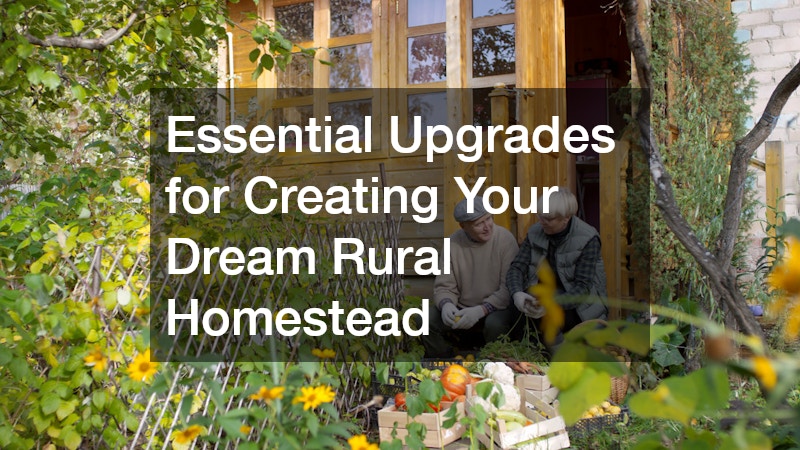
Transforming a piece of rural land into a thriving, self-sufficient homestead is an incredibly rewarding journey. Moving away from centralized city utilities and tightly packed suburbs requires a fundamental shift in how you view and manage your property. A successful homestead must be functional, resilient, and built to last. Instead of tackling projects at random, the key to building your dream property is a strategic, phase-based approach that secures your infrastructure, protects your land, and optimizes your living spaces.
When you first stand on a large plot of rural land, the sheer volume of potential projects can feel overwhelming. You might want to plant an orchard immediately, or start raising livestock on day one. However, experienced homesteaders will tell you that rushing into agricultural production before establishing a solid infrastructural foundation leads to wasted energy and expensive mistakes. By taking a systematic approach to your property upgrades, you can ensure that every hour and every dollar spent contributes to a lasting, self-sustaining ecosystem. This comprehensive guide will walk you through the essential upgrades needed to turn raw acreage or an outdated country house into a highly efficient, beautiful rural estate.
Developing the Land and External Infrastructure

Imagine arriving at your property after a heavy spring downpour only to find your truck bogged down in a deep rut, or discovering that a massive dead oak tree is leaning precariously over your proposed garden site. Land development is the raw, physical starting point of any homesteading venture. Without clear, safe access and a deep understanding of your property’s timber and geography, all subsequent projects will suffer from logistical bottlenecks.
When assessing the trees across your acreage, safety and long-term land health must take priority over aesthetics. Dead, diseased, or wildly overgrown timber can pose an immediate threat to your home, outbuildings, and power lines. For large-scale land clearing, canopy thinning, or the removal of high-risk branches near your home construction zone, hiring a professional tree service is a necessity. Trying to drop massive trees with a consumer-grade chainsaw without proper rigging experience is one of the most common ways new homesteaders injure themselves or damage their equipment.
Once the professionals have safely felled the hazardous timber, your job shifts to resource management. A true homestead operates on a closed-loop philosophy where waste is minimized. The biomass left behind from land clearing is incredibly valuable. You can rent a heavy-duty wood chipper to convert small branches into thick layers of mulch for your orchard rows and garden pathways, which helps retain soil moisture and suppress weeds. The larger logs should be bucked and split immediately. Store them under a simple lean-to structure to season for firewood, or use them to construct hugelkultur beds—a traditional German gardening method where buried logs slowly rot beneath the soil, acting like a sponge that feeds moisture and nutrients to your vegetable crops for years.
With the land cleared, the next critical hurdle is moving vehicles, building materials, and heavy equipment across the property without destroying the landscape. Rural driveways are notorious for turning into impassable bogs during the spring thaw or following sudden summer storms. When designing a long country driveway, you must prioritize proper drainage. This involves crowning the center of the road so water flows outward and digging wide ditch lines on either side to channel runoff away from the roadbed.
For the highest-traffic zones—specifically the areas immediately surrounding your main home, the garage entryways, and the immediate approach from the main public road—gravel often proves inadequate over time, washing away or requiring annual grading. In these high-impact areas, investing in professional asphalt paving creates a durable, clean, mud-free surface. This solid ground ensures that heavy delivery trucks, emergency vehicles, and snowplows can navigate your property safely without tearing up the earth or tracking thick clay into your living spaces.
Managing Water and Earthworks
Water dictates the layout of every successful homestead. It can be your greatest asset when captured and stored correctly, or your most destructive enemy if allowed to erode your topsoil and flood your foundations. Managing water requires a dual approach: sculpting the physical earth to control surface water and installing high-performance filtration systems to secure pure drinking water indoors.
To understand how water moves across your landscape, you need to observe the property during a heavy rainstorm. Note where the water pools naturally, where it rushes down hillsides, and where it leaves the soil barren and washed out. One of the most effective ways to manage large volumes of surface runoff is through strategic pond excavation. By creating a well-engineered pond at a natural low point or along a drainage pathway, you can capture millions of gallons of water that would otherwise wash away valuable nutrients. This water feature serves multiple purposes on a homestead. It acts as a primary reservoir for irrigating large garden plots, provides a reliable source of water for livestock, and can even serve as an emergency water supply for fire suppression in remote areas where municipal fire hydrants do not exist.
Beyond a centralized pond, you can use subtle earthworks like swales and berms to distribute water passively. Swales are shallow ditches dug exactly along the contour lines of a hill, with the dug-out dirt piled on the downhill side to form a berm. When rain falls, instead of rushing down the slope and causing erosion, the water catches in the swale, slows down, and sinks deeply into the earth. Planting fruit and nut trees directly on the downhill berm allows their root systems to tap into this underground moisture reserve, drastically reducing the need for manual watering.
While managing surface water keeps your land productive, securing pure water inside the home keeps your family healthy. Rural properties almost exclusively rely on private wells. Unlike municipal water systems that are treated and monitored daily, a private well is completely your responsibility. Well water can contain a variety of invisible challenges, ranging from high concentrations of iron and manganese that stain fixtures to harmful agricultural runoff, pesticides, or coliform bacteria that can cause serious illness. Regular water testing at a certified laboratory is an absolute requirement for homesteaders.
If your test results reveal high mineral content or contaminants, a standard carbon pitcher filter will not be enough. To protect your family’s health and safeguard your expensive plumbing infrastructure, you should install a comprehensive, whole-house water filtration system directly at the well’s point of entry into the home. A multi-stage system featuring a sediment pre-filter, an iron-oxidizing filter, and a ultraviolet purification light will neutralize bacteria and eliminate the sulfur smells often associated with country wells. This setup ensures that every faucet in your house delivers clean water, while preventing mineral scale from destroying your water heater, washing machine, and dishwasher.
Building Modern Agricultural Structures
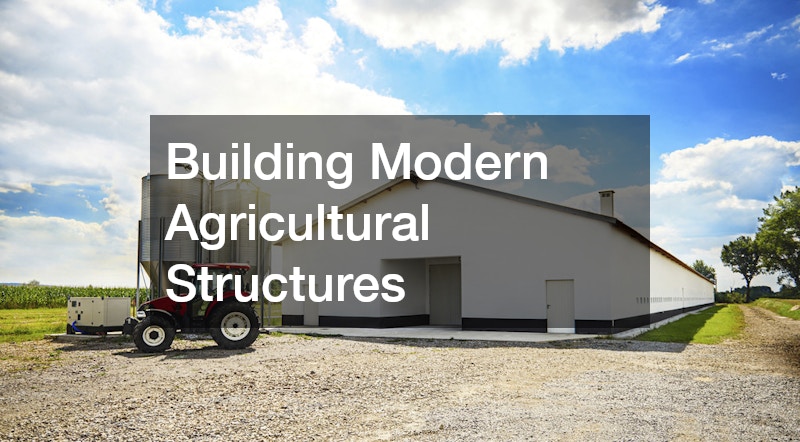
A homestead is more than just a house in the country; it is an active working environment. Attempting to run a farm, store hay, fix tractors, and process firewood out of a standard two-car residential garage quickly leads to chaos and overcrowding. You need dedicated, heavy-duty outbuildings designed to withstand both the elements and the daily wear and tear of agricultural life.
When planning your primary workshop or storage barn, you need a structural design that balances cost-efficiency with immense durability. For this reason, post-frame construction is the industry standard for rural properties. Partnering with an experienced pole barn contractor allows you to erect a large, clear-span building without internal load-bearing walls, maximizing your usable square footage. These buildings use deeply buried, pressure-treated posts as their primary structural support, making them exceptionally resilient against high prairie winds and heavy winter snow loads.
When designing your pole barn, consider a multi-functional layout. You can divide the interior into distinct zones, starting with a secure, insulated workshop where you can work on machinery during the winter. Adjacent to the workshop, a well-ventilated storage area can hold hay and livestock feed safely. Finally, an open, high-clearance bay is perfect for parking tractors and utility vehicles. Keeping your expensive farm implements out of the sun and rain will extend their operational lifespan by decades.
The structural integrity of any outbuilding or heavy equipment area depends entirely on what lies beneath it. Even the strongest steel barn will fail if its foundation shifts, cracks, or settles unevenly into clay soil. Before construction begins, the site must be excavated, leveled, and packed with a thick layer of crushed gravel to create a stable base and promote proper drainage underneath the structure.
For the floor of your workshop, the tractor parking bays, and the heavy pads where you place massive fuel or propane tanks, pouring high-strength, steel-reinforced concrete slabs is a necessity. A thin, unreinforced pour will quickly crack under the weight of a multi-ton tractor or the concentrated pressure of hydraulic jacks. A properly engineered concrete floor should be at least five to six inches thick, reinforced with rebar, and finished with a smooth trowel surface that makes it easy to sweep up sawdust, wipe up spilled oil, and clean up after messy farm projects.
Fortifying the Home Exterior Envelope
While you are busy building fences, digging ponds, and managing outbuildings, it is easy to forget that your primary residence requires active fortification. Rural homes are exposed to harsher environmental conditions than suburban homes. Without nearby houses and mature city trees to break the wind, a country house bears the full brunt of intense sun, driving rain, heavy snow, and hail. Fortifying the exterior envelope of your home is crucial for lowering your energy costs and protecting your interior investments.
The roof is your home’s first line of defense against the elements. A small leak in a rural area can go unnoticed for weeks, quietly rotting roof decking, destroying insulation, and encouraging the growth of toxic mold inside your walls. When evaluating your roof, look for signs of advanced wear such as curling shingles, missing granules, or rusted flashing around your chimney and valleys. Because a homestead roof must endure extreme weather for decades, cutting corners on materials or labor is a costly mistake.
When it is time to replace or upgrade your roof, you should work with a trusted local roofer who understands the specific weather patterns of your geographic region. Whether you choose thick, impact-resistant architectural asphalt shingles or a modern standing-seam metal roofing system, a professional installation ensures that the underlayment is fully waterproofed and that your attic ventilation is properly balanced. Good attic ventilation prevents ice dams from forming in the winter and expels blistering heat in the summer, significantly lowering your cooling bills and extending the overall life of the roof structure.
Once the roof is secure, turn your attention to the vertical walls of your home. Traditional wood or vinyl siding often struggles to cope with the demands of rural life. Wood requires constant painting, staining, and sealing to prevent rot, and it remains highly vulnerable to wood-boring insects like termites and carpenter bees. Vinyl siding, on the other hand, can become brittle in extreme cold and can easily crack if struck by flying debris during a storm or kicked up by a lawnmower.
For a truly low-maintenance and protective exterior, a professional stucco installation is an excellent upgrade for a country home. Modern stucco is a multi-layered masonry finish that creates a seamless, durable shell around your house. It offers exceptional fire resistance—a major consideration if your homestead is located near wooded areas prone to wildfires—and it acts as an additional layer of insulation, dampening outdoor noise and sealing air leaks. Furthermore, mice, rats, and insects cannot chew through stucco, helping you maintain a pest-free environment inside your home.
Upgrading the Interior for Homestead Functionality
The interior of a homestead must be designed with utility in mind. In a typical suburban home, the kitchen is primarily a place for quick meal preparation and entertaining. On a homestead, the kitchen functions as an agricultural processing center. It is where you wash crates of dirt-covered root vegetables, butcher home-raised meats, process gallons of raw milk, and run hot water pressure canners for hours at a time during the harvest season.
If your current kitchen features delicate countertops, shallow sinks, and minimal storage, it will quickly become a major bottleneck in your self-sufficiency goals. A proper homestead kitchen upgrade requires a thoughtful layout that prioritizes workflow, durability, and sanitation. You need wide, heat-resistant countertops—such as quartz or heavy-duty butcher block—that can handle hot canning pots without scorching. Deep, double-basin farmhouse sinks are essential for scrubbing garden produce and washing massive stockpots.
Because a standard kitchen layout rarely accommodates the unique needs of a working farm, collaborating with a professional kitchen remodeling company can help you maximize your space. They can design custom cabinetry with reinforced shelves to hold heavy glass mason jars, integrate built-in recycling and composting stations, and plan out zone-specific lighting so you can work safely late into the night during the peak of harvest season. They can also ensure your kitchen has the proper electrical circuitry and ventilation to support commercial-grade ranges and deep freezers.
The transition zone between your outdoor workspaces and your indoor living areas is another critical design element that requires careful planning. If you walk directly from a muddy pasture into a carpeted living room, you will spend half your life cleaning. A well-designed homestead needs a dedicated mudroom or a rear entryway with highly durable, easy-to-clean flooring and solid outdoor pathways that minimize the amount of dirt you track inside.
To create a clean, seamless transition from your fields to your backdoor, hiring an experienced concrete contractor to pour custom walkways, steps, and stamped patios is a smart investment. These smooth, durable hardscaping features give you a solid place to kick off muddy boots, wash down tools, or brush off your clothes before stepping inside. By connecting your main home, your driveway, and your outbuildings with clean concrete pathways, you significantly reduce the amount of grit and grime that enters your home, protecting your indoor flooring and keeping your living space clean and comfortable.
Long-Term Planning for Property Development
Building your dream rural homestead is a marathon, not a sprint. It is a long-term commitment that requires patience, careful financial planning, and a willingness to learn new skills. By focusing on critical foundational upgrades—from clearing timber and securing clean well water to constructing durable pole barns and modernizing your kitchen—you create a property that is both highly functional and deeply comforting.
Prioritizing these structural and infrastructural enhancements ensures that your homestead will remain safe, efficient, and self-sufficient for decades to come. Every upgrade you make should be viewed as an investment in your personal autonomy and your family’s future security. As you steadily cross these major projects off your list, you will find that your property becomes more than just a place to live—it becomes a resilient, productive sanctuary where your rural dreams can truly thrive.